
MBA in Seattle
Table of Contents
- Why choose MBA in Seattle
- Top colleges for Masters in MBA in Seattle
- Year-wise Curriculum for MBA in Seattle
- Eligibility Requirements (Academic & Work)
- MBA in Seattle's Tuition Fees for International Students
- Semester Date & Academic calendar
- How to Apply for MBA in Seattle
- Career Opportunities After completing MBA in Seattle
- Conclusion
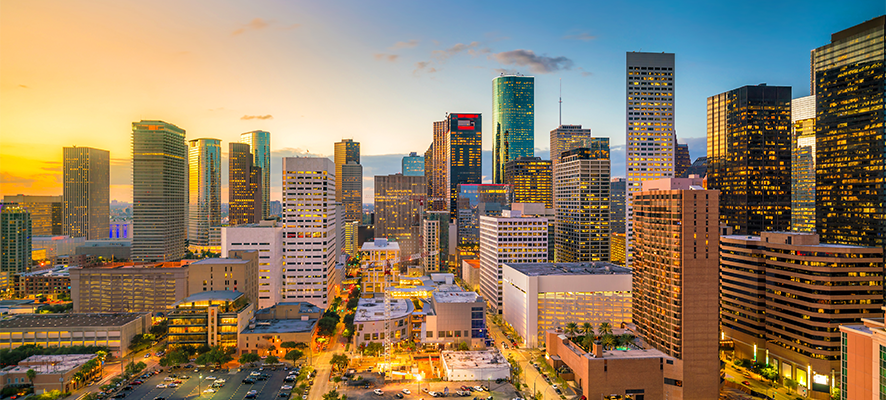
Pursuing an MBA in Seattle in 2026 offers Indian students an exceptional gateway into a booming tech, global retail, and aerospace hub. Top-ranked local programs seamlessly connect graduates with world-renowned industry giants like Amazon, Microsoft, and Starbucks. Elite institutions like the University of Washington's Foster School of Business rank in the national Top 20 and deliver an incredible return on investment, boasting average starting salaries of over $144,000 (13,603,680 Indian Rupees). For Indian professionals eyeing global leadership, Seattle presents an unmatched ecosystem for career acceleration.
For Indian professionals seeking to accelerate their global careers, Seattle combines robust corporate pipelines with an innovative ecosystem, making it a highly profitable and strategic choice.
This table outlines the core components, duration, and estimated financial requirements for pursuing an MBA in Seattle.
Aspect | Major Details | Additional Context |
Degree Awarded | Master of Business Administration (MBA) | Globally recognized leadership and management credential. |
Program Duration | 1 to 2 Years | Full-time, evening, hybrid, and accelerated executive tracks available. |
Average Tuition (Yearly) | $54,000 – $82,000 (5,101,380 – 7,746,540 Indian Rupees) | Varies between public institutions and elite private universities. |
Top Hiring Sectors | Technology, Retail, Aerospace, Consulting | Direct pipelines to global corporate headquarters located in Washington. |
Average Living Cost (Yearly) | $22,000 – $32,000 (2,078,340 – 3,023,040 Indian Rupees) | Covers accommodation, health insurance, transportation, and daily essentials. |
Why choose MBA in Seattle
Seattle offers an incredible blend of corporate excellence and deep connections to the technology, retail, and aerospace ecosystems. The city provides international students with strategic leadership training, immense earning potential, and an influential global alumni network.
Innovation & Tech Hub: As a booming cloud-computing, tech, retail, and aerospace hub, Seattle offers unparalleled experiential learning and corporate networking opportunities.
Massive Financial ROI: With average starting salaries scaling past $144,000 (13,603,680 Indian Rupees), the lifetime return on investment is exceptionally high.
STEM-Designated Pathways: Many programs offer specialized STEM-certified tracks, granting Indian students a highly sought-after 3-year OPT extension to secure a work visa.
Direct Corporate Pipelines: Top-ranked local programs directly connect students with massive industry leaders like Amazon, Microsoft, and Starbucks.
Thriving Venture Ecosystem: The region is a hotbed for deep tech, software innovation, and startup incubators, creating extensive live-project collaboration opportunities.
Global Networking Hub: Frequent executive summits, local corporate mixer events, and diverse global cohorts allow you to build connections with corporate executives daily.
Top colleges for Masters in MBA in Seattle
Seattle houses globally accredited, elite business schools known for academic rigor and direct recruitment pipelines. These premier institutions consistently rank among the best, purposefully shaping the next generation of global management and technology leaders.
This table highlights the premier universities offering top MBA programs in the Seattle area alongside their specializations.
University | Program Duration | Course Specialization |
University of Washington (Foster) | 21-24 Months | Technology Management & Global Procurement. |
Seattle University (Albers) | 24 Months | Ethics, Leadership & Sustainability. |
Seattle Pacific University | 24 Months | Social Impact & Information Systems. |
City University of Seattle | 18 Months | Global Management & Technology. |
Northeastern University (Seattle) | 24 Months | Corporate Innovation & Data Analytics. |
Year-wise Curriculum for MBA in Seattle
The curriculum for a Seattle MBA is a meticulously structured, intensive journey designed to transform professionals into strategic executives. It perfectly balances fundamental business theories in the first year with specialized, experiential learning modules in the second year.
Year 1 Curriculum
The first year focuses entirely on building core management competencies and fundamental business frameworks.
This table details the core foundational business modules taught during the first year of the program.
Module Category | Key Topics Covered | Academic & Practical Focus |
Financial Management | Corporate Finance, Managerial Accounting, Asset Valuation | Mastering complex financial reporting, corporate finance models, and valuation frameworks. |
Operations & Analytics | Supply Chain Management, Business Analytics, Decision Modeling | Using big data to streamline retail logistics, cloud-driven processes, and operational workflows. |
Strategic Leadership | Corporate Strategy, Professional Ethics, Microeconomics | Developing core team management competencies, business economics, and leadership frameworks. |
Marketing Foundations | Consumer Behavior, Data-Driven Marketing, Market Research | Analyzing customer segments, marketing execution strategies, and corporate product positioning. |
Year 2 Curriculum
The second year allows for extensive customization through advanced electives and hands-on corporate immersion.
This table details the specialized advanced electives and practical elements of the final year.
Module Category | Key Topics Covered | Academic & Practical Focus |
Specialized Electives | Tech Product Management, Cloud Strategy, AI Integration | Deep diving into tech ecosystems, e-commerce scaling, and artificial intelligence integration. |
Experiential Immersion | Field Consulting Labs, Global Study Tours, Corporate Internships | Solving real-world, high-stakes problems for corporate clients through consulting projects. |
Entrepreneurship | Venture Capital, Startup Operations, Angel Investing | Learning how to pitch business models, build product prototypes, and secure early-stage funding. |
Eligibility Requirements (Academic & Work)
Securing admission into a competitive Seattle MBA demands a strong mix of academic performance, test excellence, and professional maturity. Admissions committees look for diverse candidates bringing unique, actionable industry insights into the classroom.
This table structures the key baseline eligibility criteria required for international applicants.
Requirement Category | Specific Details | Mandatory Benchmarks |
Academic Background | Bachelor's degree from a recognized university. | 4-year degree (or 3-year degree with a formal credential evaluation); high undergraduate GPA. |
Professional Experience | Full-time, post-graduation professional work experience. | Typically 2 to 5 years of continuous, relevant industry experience to enrich case discussions. |
Standardized Testing | Quantitative and verbal reasoning evaluation scores. | Competitive GMAT or GRE score; select schools offer waivers based on high executive experience. |
Language Proficiency | English language certification for non-native speakers. | Mandatory submission of TOEFL (typically 100+) or IELTS (minimum 7.0 overall) scores. |
MBA in Seattle's Tuition Fees for International Students
Studying in Seattle requires careful financial planning, as tuition fees at these top institutions reflect their global prestige. Understanding the cost structure ensures international students experience a stress-free academic journey.
Tuition fees at different colleges
This table outlines the estimated annual tuition fees at various institutions in the Seattle region.
University | Annual Tuition Fees (USD) | Annual Tuition Fees (INR) |
University of Washington (Foster) | $62,500 | 5,904,375 Indian Rupees |
Seattle University (Albers) | $48,200 | 4,553,454 Indian Rupees |
Seattle Pacific University | $39,500 | 3,731,565 Indian Rupees |
City University of Seattle | $31,200 | 2,947,464 Indian Rupees |
Northeastern University (Seattle) | $58,000 | 5,479,260 Indian Rupees |
Funds needed every year for transportation, groceries, accommodation and other essentials
This table outlines the estimated annual living expenses required for an international MBA student in Seattle.
Expense Category | Estimated Annual Cost (USD) | Estimated Annual Cost (INR) | Key Inclusions |
Accommodation (Rent) | $14,000 – $20,000 | 1,322,580 – 1,889,400 Indian Rupees | Shared apartments, studio rentals, or off-campus housing near transit. |
Groceries & Food | $5,500 – $8,000 | 519,585 – 755,760 Indian Rupees | Supermarket runs, standard groceries, meal prep, and dining out. |
Transportation & Essentials | $3,500 – $4,200 | 330,645 – 396,774 Indian Rupees | Public transit (ORCA) passes, health insurance, and textbooks. |
(Source: Numbeo Cost of Living Index)
Scholarships available
This table details five major scholarship opportunities to support international candidates in reducing their tuition burden.
Scholarship Name | Eligibility Criteria | Coverage & Key Details |
Foster School Merit Fellowships | Exceptional academic record, competitive test scores, and leadership impact. | Awards partial to full tuition waivers automatically during admissions. |
Albers Dean’s Scholarship | High GMAT/GRE scores and a strong undergraduate GPA. | Covers 10% to 50% of tuition expenses for global candidates. |
JN Tata Endowment Scholarship | Indian nationals displaying outstanding professional and academic records. | A prestigious low-interest loan scholarship with potential travel grants. |
Forté Fellowship | Female MBA candidates exhibiting exceptional leadership potential. | Offers substantial tuition stipends and access to global mentor networks. |
Fulbright Foreign Student Program | Academic merit and a demonstrated dedication to cultural exchange. | Comprehensively covers full tuition, airfare, and monthly living stipends. |
Semester Date & Academic calendar
American institutions operate on a structured calendar featuring a major Fall intake. Tracking these strict administrative deadlines is crucial for ensuring smooth visa processing, timely housing arrangements, and stress-free university enrollment without unexpected delays.
This table details the standard academic schedule and milestones for an international student.
Academic Phase / Milestone | Timeline Period | Critical Actions Required |
Fall Semester / Quarter Intake | Late August to September | Core classes officially commence; Round 1 apps close the prior Sept/Oct. |
Winter / Spring Term | Early January start | Secondary entry point or continuation of core tracks depending on the university. |
Visa Application Window | 3 to 4 months prior to start | Secure F-1 Visa slots immediately after receiving the university I-20 document. |
Summer Internship Window | June to August | Critical 3-month break utilized for full-time corporate internships. |
How to Apply for MBA in Seattle
The application process requires meticulous organization, compelling storytelling, and strict adherence to university deadlines. Submitting a perfectly crafted profile is essential to stand out to selective admissions committees at Seattle's top universities.
This table outlines the essential step-by-step application pipeline.
Step Number | Phase Name | Primary Objectives & Tasks |
Step 1 | Standardized Testing | Score highly on the GMAT/GRE and English proficiency tests (TOEFL/IELTS). |
Step 2 | Essay Composition | Write impactful Statements of Purpose (SOP) highlighting leadership and career goals. |
Step 3 | Letters of Recommendation | Obtain 2-3 letters from professional managers who can validate your achievements. |
Step 4 | Professional Resume | Format a strict, results-oriented 1-page resume quantifying career milestones. |
Step 5 | Admission Interview | Rigorously prepare for behavioral and case-study interview rounds if shortlisted. |
Career Opportunities After completing MBA in Seattle
Graduating from a Seattle business school grants direct access to some of the highest-paying and most prestigious corporate roles globally. The city’s dense concentration of tech and retail giants creates immense demand for strategic leaders.
This table details lucrative job roles and average starting salaries for recent graduates in the area.
Target Job Role | Key Employers | Average Base Salary (USD / INR) |
Senior Product Manager | Amazon, Microsoft, Expedia Group | $160,000 (15,115,200 Indian Rupees) |
Management Consultant | McKinsey & Company, Accenture, Deloitte | $155,000 (14,642,850 Indian Rupees) |
Supply Chain Director | Starbucks, Boeing, Target | $148,000 (13,981,560 Indian Rupees) |
Financial Analyst / Controller | T-Mobile, Expedia Group, Microsoft | $140,000 (13,225,800 Indian Rupees) |
Marketing Director | Costco Wholesale, Nordstrom, Amazon | $135,000 (12,753,450 Indian Rupees) |
Operations Lead | Boeing, PACCAR, Amazon | $132,000 (12,470,040 Indian Rupees) |
(Source: Glassdoor)
Conclusion
Pursuing an MBA in Seattle is a highly strategic investment that transforms ambitious Indian students into globally recognized business leaders. The unique combination of elite academic frameworks, unmatched access to a booming tech ecosystem, and corporate retail pipelines makes Seattle an unbeatable destination for rapid career growth. Whether your goal is to climb the corporate ladder within a multinational powerhouse like Microsoft or pioneer a tech startup, a Seattle-based degree equips you with the necessary analytical tools. Ultimately, an MBA here remains a direct gateway to the highest echelons of international management.
Ready to embark on your MBA journey in Seattle? Connect with our experts to know about concerned universities, courses, scholarships, admissions, and career opportunities.